Analysis of “Queen of the Night” by Whitney Houston
Introduction
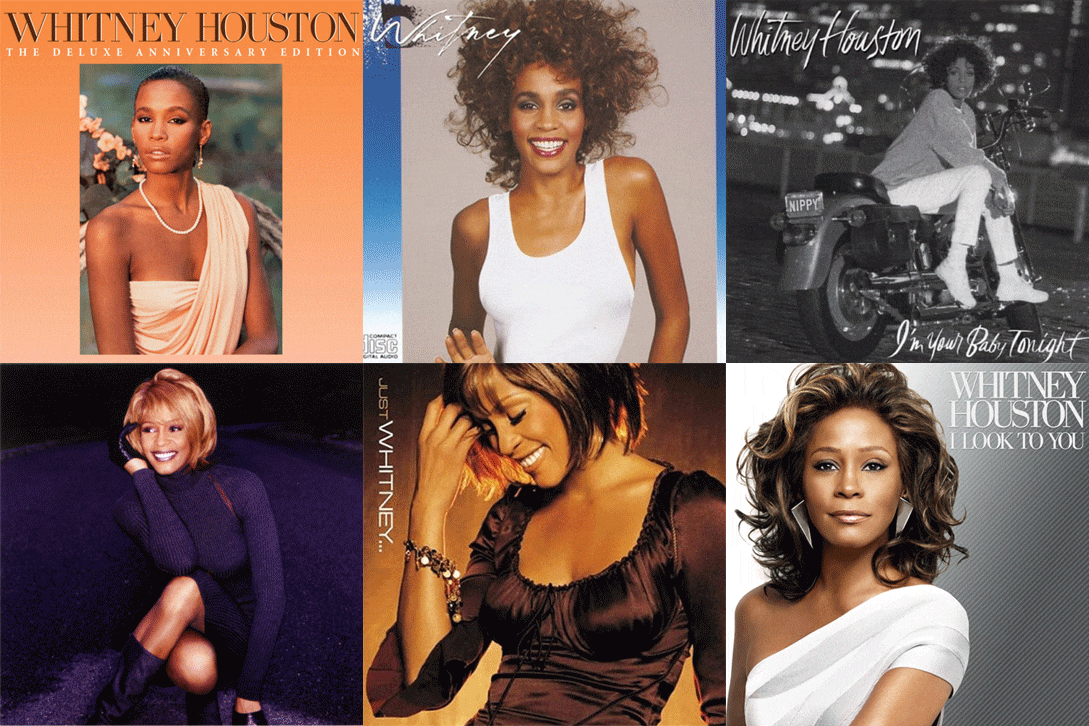
“Queen of the Night” is a powerful and dynamic song by Whitney Houston, released in 1993 as part of her album Whitney Houston. Written by Whitney Houston, Babyface, and L.A. Reid, the song showcases Houston’s incredible vocal range and her ability to convey deep emotion through her music. Known for her powerful voice and emotive delivery, Whitney Houston has been a defining force in the music industry, particularly in the genres of pop and R&B. “Queen of the Night” exemplifies her ability to blend powerful vocals with catchy melodies, making it a staple in her discography and a defining track in contemporary music.
The song emerged during a period when Whitney Houston was at the height of her career, solidifying her status as a music legend. The lyrics of “Queen of the Night” reflect themes of confidence, empowerment, and the celebration of individuality, themes that resonated with Houston’s image and the cultural context of the time. The early 1990s were a time of musical diversity and experimentation, and this song fits perfectly within that narrative, capturing the spirit of the era and Houston’s love for her craft.
Upon its release, “Queen of the Night” was met with widespread acclaim and commercial success, becoming one of Whitney Houston’s most iconic and enduring songs. Its success can be attributed to its powerful vocals, catchy melody, and Houston’s ability to evoke a sense of confidence and empowerment. The song’s enduring appeal lies in its ability to capture the universal human experiences of self-assurance and the search for identity, making it a timeless piece of music.
The central argument of this analysis is that “Queen of the Night” resonates with listeners due to its powerful vocal performance, themes of confidence and empowerment, and the sense of individuality and strength it captures. These elements combine to create a song that is both a tribute to the genre and a reflection of Houston’s love for her craft, inviting listeners to connect with its themes and explore its meaning.
Lyrical analysis
“Queen of the Night” by Whitney Houston is a lyrically powerful and musically dynamic song that captures themes of confidence, empowerment, and the celebration of individuality. The lyrics, written by Whitney Houston, Babyface, and L.A. Reid, are filled with vivid imagery and metaphor, painting a picture of a world that is both intense and exhilarating. The song opens with the lines, “I’ve got the stuff that you want, I’ve got the thing that you need, I’ve got more than enough to make you drop to your knees,” immediately setting a tone of self-assurance and allure. These lines capture the song’s central themes of confidence and the power of individuality, inviting listeners to explore the intensity of the experience.
The chorus, “Cause I’m the queen of the night, the queen of the night, Oh yeah, oh yeah, oh yeah, yeah,” is a powerful and anthemic refrain that reinforces the song’s central theme. This chorus captures the narrator’s sense of empowerment and the celebration of her identity, using the metaphor of the “queen of the night” to explore themes of strength and self-assurance. The repetition of “queen of the night” emphasizes the song’s central imagery, making it a memorable and evocative part of the track.
The verses continue to explore themes of confidence and the search for identity, with lines like, “Don’t make no difference if I’m wrong or I’m right, I’ve got the feeling and I’m willing tonight, Well, I ain’t nobody’s angel, What can I say? Well, I’m just that way.” These lines capture the song’s narrative of self-assurance and the desire for self-expression, using vivid imagery to convey a sense of empowerment and the complexities of the search for identity. The imagery of individuality and the power of self-expression adds to the song’s sense of intensity and the search for meaning, highlighting the complexities of the themes being explored.
Throughout the song, the writers employ a range of literary devices to enhance its emotional and thematic depth. The use of repetition, particularly in the chorus, reinforces the themes of confidence and empowerment. The vivid and evocative imagery captures a sense of self-assurance and the celebration of individuality, inviting listeners to interpret the song’s meaning in their own ways. The direct and emotive language used in the lyrics allows listeners to connect with the narrator’s experiences and emotions, making the song deeply relatable.
The emotional and psychological impact of the lyrics is profound. “Queen of the Night” captures the universal human experiences of confidence, empowerment, and the search for identity. The raw honesty and emotional intensity of the lyrics allow listeners to connect with their own experiences of self-assurance and the power of individuality. The themes of self-expression, strength, and the search for meaning are universally relatable, making the song a powerful and moving piece.
Musical composition
The musical composition of “Queen of the Night” is a powerful and dynamic blend of pop and R&B elements, creating a sound that is both catchy and emotive. The song opens with a distinctive melody, which sets the tone for the entire track. This melody is both melodic and rhythmic, providing a strong foundation for the song’s structure. The use of synthesizers, drums, and a steady rhythm section creates a sense of energy and movement, enhancing the song’s powerful and dynamic feel.
The melody of the song is characterized by its catchy and emotive vocal lines, delivered with power and nuance by Whitney Houston. The verse melodies are understated and introspective, allowing the lyrics to take center stage. In contrast, the chorus features a more expansive and uplifting melody, conveying a sense of confidence and empowerment. This dynamic shift between the verses and chorus enhances the emotional impact of the song, creating a sense of movement and progression.
The harmony in “Queen of the Night” is rich and layered, with the interplay between the synthesizers, bass, and drums creating a sense of depth and texture. The use of chord progressions and intricate melodies adds complexity to the harmony, while the steady rhythm section contributes to the song’s dynamic sound. The harmonic progression supports the emotional narrative of the lyrics, with shifts in chord structure reflecting the song’s themes of confidence, empowerment, and the celebration of individuality.
The rhythm of the song is characterized by its steady and driving beat, providing a strong foundation for the emotive vocals and instrumentation. The rhythmic section, including the drums and bass, creates a sense of energy and movement, reflecting the intensity of the emotions being expressed. The dynamic interplay between the rhythm section and the melodic elements of the song enhances its overall impact, drawing listeners into the narrative.
The instrumentation in “Queen of the Night” is both precise and expressive, with each instrument playing a vital role in creating the song’s emotional resonance. The synthesizers are a standout feature, with their catchy melodies and dynamic lines adding depth and texture to the song. The steady rhythm section provides a strong foundation, while the emotive vocal delivery adds a layer of intensity and passion. The interplay between these elements creates a rich and dynamic soundscape that supports and enhances the lyrical content.
The vocal delivery in “Queen of the Night” is a key element of the song’s emotional impact. Whitney Houston’s voice is powerful and expressive, conveying a sense of confidence, empowerment, and the celebration of individuality that resonates with listeners. Her delivery is both raw and nuanced, with subtle shifts in tone and dynamics reflecting the emotional depth of the lyrics. The harmonies and backing vocals add an additional layer of texture and emotion, enhancing the song’s overall impact.
The emotional resonance created by the music in “Queen of the Night” is profound. The melody, harmony, and rhythm combine to create a sense of confidence, empowerment, and the celebration of individuality, resonating with listeners on a deeply personal level. The catchy melodies, steady shifts in rhythm, and powerful vocal delivery all contribute to the song’s emotional depth, making it a timeless and powerful piece of music.
Cultural and social context
“Queen of the Night” holds a significant place within the discography of Whitney Houston, representing a blend of musical power and thematic depth that captures the essence of confidence and the celebration of individuality. As part of her 1993 album Whitney Houston, the song showcases Houston’s ability to blend powerful vocals with catchy melodies, making it a staple in her repertoire. This track reflects the cultural context of the early 1990s, a time of musical diversity and experimentation, capturing the spirit of the era and Houston’s love for her craft.
The cultural and social themes addressed in “Queen of the Night” are deeply rooted in the universal human experiences of confidence, empowerment, and the search for identity. The song captures the essence of the celebration of individuality and the power of self-expression, reflecting the complexities and vulnerabilities inherent in the human condition. It speaks to the universal desire for self-assurance and the search for meaning in a world that is often intense and exhilarating. These themes resonate with listeners across different cultural and social backgrounds, as they tap into the shared human experience of seeking purpose and identity through the power of individuality.
“Queen of the Night” has had a significant impact on societal trends, particularly in the realm of pop and R&B music and popular culture. The song’s powerful vocal performance and themes of confidence and empowerment have influenced a generation of musicians and listeners, shaping the landscape of contemporary music. Its inclusion in popular culture, such as its use in films, television shows, and commercials, has introduced the song to new audiences, further cementing its place in contemporary music culture. Additionally, the song’s association with Whitney Houston and her enduring appeal highlights its cultural significance and broad impact.
Personal anecdotes and testimonials from fans underscore the profound impact that “Queen of the Night” has had on individuals’ lives. Many listeners have shared stories of how the song has provided comfort and inspiration during difficult times, served as a soundtrack to significant life events, or simply resonated with their personal experiences of confidence and the search for identity. These testimonials illustrate the song’s ability to connect with listeners on a deeply personal level, reflecting its timeless and universal appeal.
Conclusion
In conclusion, “Queen of the Night” by Whitney Houston is a song that resonates deeply with listeners due to its powerful vocal performance, themes of confidence and empowerment, and the sense of individuality and strength it captures. The lyrical analysis reveals a narrative of self-assurance, the celebration of individuality, and the search for meaning, tapping into the universal human experience of seeking purpose and identity through the power of self-expression. The musical composition, with its dynamic shifts in melody, harmony, and rhythm, complements and enhances the emotional depth of the lyrics. The cultural and social context of the song further underscores its significance, reflecting its impact on both the music industry and individual listeners.
The thesis that “Queen of the Night” resonates with listeners due to its emotional authenticity and musical sophistication is supported by the analysis of its lyrical content, musical structure, and cultural impact. The song’s exploration of themes such as confidence, empowerment, and the celebration of individuality, combined with its powerful instrumentation and vocal delivery, creates a timeless piece that continues to captivate and connect with audiences.
The enduring appeal of “Queen of the Night” lies in its ability to evoke a sense of shared humanity and emotional resonance. It is a song that speaks to the heart of the human experience, capturing the complexities and beauties of self-assurance and the search for identity. As listeners reflect on their personal connections to the song, they are invited to explore their own experiences of confidence, empowerment, and the celebration of individuality, finding solace and understanding in the music and lyrics of “Queen of the Night.” This timeless quality ensures that the song will continue to resonate with audiences for generations to come.
 be-song-be-you.com
Leave a comment